Team
Aneerudha Paul
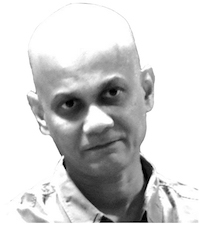
He has been interested in exploring the intersection between urbanism and architecture. In contemporary times architecture is located in a complex field characterized simultaneously by the physical, the social, and the psychological. The physical constitutes of climate, terrain, built environment, infrastructures of movement, services, etc. Social comprises of peoples' cultural practices and frameworks formed of the economics and the political that embed individual and collective action. The psychological characterized by cognition and perception affects human behavior within the built environment. He explores the imagining, representing, and manifesting of architecture formed by the interaction of these dense lines of forces.
He was involved in preparing the Integrated Development Plan for the Mill land of Mumbai for the Charles Correa Committee, in the documentation and preparation of conservation guidelines for the heritage precincts of Dadar-Matunga-Wadala, and a study of Mumbai's Eastern Waterfront. In the year 2000, he was part of the team documenting the nature of spatial practices in the city of Mumbai for the Tate Modern: Century Cities exhibition in London. He has also participated and presented papers in numerous conferences and workshops organized on urbanism and architecture. He has also been actively involved in publishing in this field. He has also been a part of many advisory government committees that assist and inform in framing policies on important architectural and urban projects in the country. In July 2007, he was a part of the International Visitors Leadership Programme on "Cultural Heritage Preservation", organized by the Dept. of States, United States of America.
Rohan Shivkumar
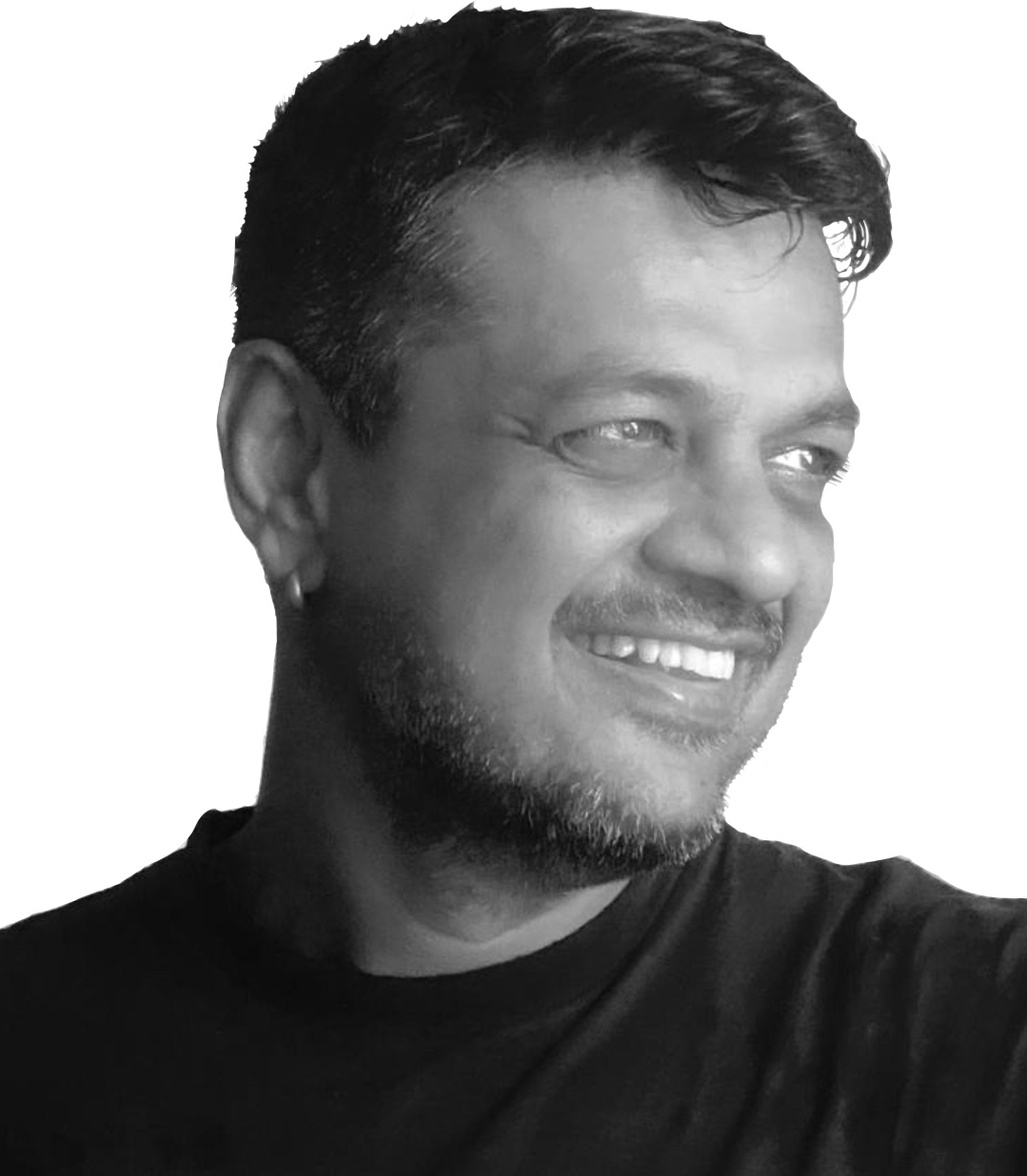
Rohan believes that architecture and the city are the powerful indicators of culture. In them are represented the values system of a society, the aspirations it has for the future, along with its successes and failures. He believes that the academic space is a space to critically examine the role that it plays and be able to suggest modes to recalibrating the modes in which it is practiced. He strongly believes that such a critical examination can happen through rigorously reexamining of some of the presumptions that architecture assumes. Multidisciplnary encounters between architecture, visual art, literature, cinema, sociology and other disciplines can create spaces where new and relevant conceptions of the ethical and aesthetic role of architectural practice can emerge.
Some of the main urban projects Rohan worked on include the Churchgate Revival Project and the Tourist District Project; and other projects with the Design Cell of the KRVIA including City in the times of Ambedkar, Dharavi Project and the Cess Building Project. Rohan is the co-editor of an interdisciplinary research and art collaboration- Project Cinema City. His writing has also been the recipient of awards including the Architectural Book Award of the DAM (Deutsches Architektur Museum) for Hybrid Modernisms, 2017 and Printed Book of the Year at the Publishing Next Industry Awards for Project Cinema City He also is the curator of the monthly film programme at the Bhau Daji Lad Museum. His film work include Nostalgia for the future which won the Best Documentary of the year at the ISDFFK, Lovely Villa, and Squeeze Lime in Your Eye.
Deepti Talpade

Deepti has a decade of work experience with a range of not-for-profit, private sector, government bodies and academic institutes. Deepti holds a B.Arch and M.Arch in Urban Design from Mumbai University and M.Sc. in Urban Management Erasmus University, Netherlands. She is the recipient of a fully paid scholarship from the Netherland Fellowship Program (NFP) in 2010 and 2017. She was an urban planner at Egis Geoplan Pvt. Ltd. for the Municipal Corporation of Greater Mumbai (MCGM) to work on the Draft Development Plan Report and also Development Control Regulations for 2014-34. She also has been deeply engaged in research for organisations such as Aga Khan Agency for Habitat, India, CRISIL Infrastructure advisory, Deutsche Gesellschaft fur Internationale Zusammenarbeit (GIZ), Pani Haq Samiti (Water rights organisation), Institute for Sustainability (a corporate charity), London, Housing Association Charity Trust, London, and Good Governance India Foundation.
Abhijit Ekbote
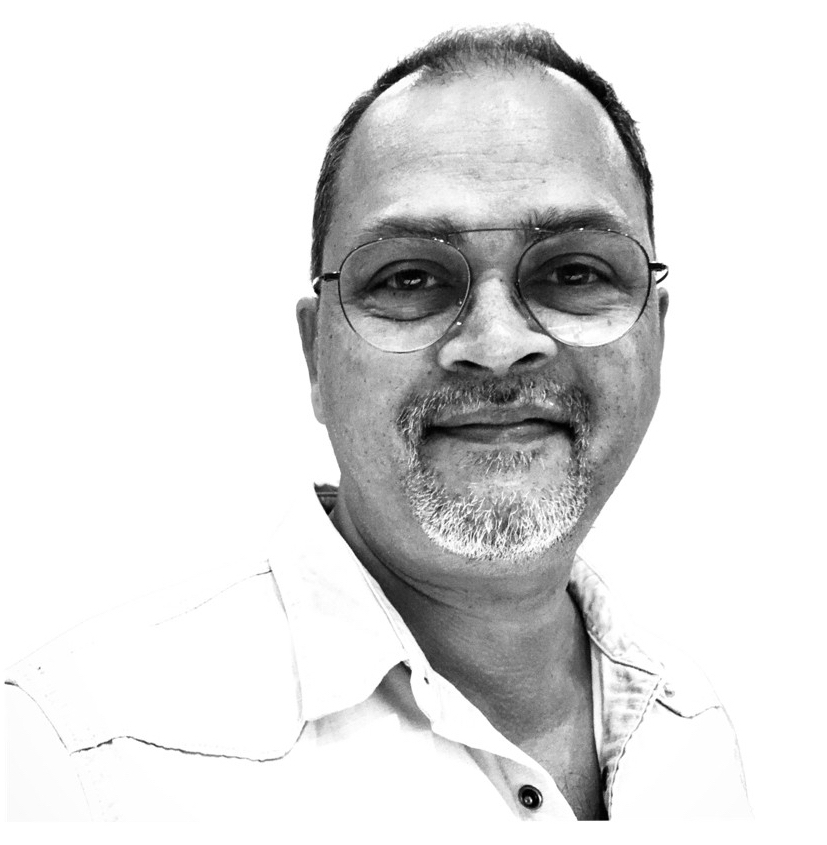
Abhijit graduated as an architect in 1999 from CEPT University, after which he was engaged in private practice in Mumbai (Bombay). His early works were slum redevelopment in developer-driven as well as the NGO-driven modes, affordable housing for a cooperative, a dormitory for nuns, etc. After completing his post-graduation in Urban Design, he worked on several projects at an urban scale and developed the Geographical Information Systems (GIS) course, which was streamlined for architect graduates who were pursuing their post-graduation in Urban Design and Urban Conservation. Later he pursued a research project under the Erasmus Plus funded programme, Building Inclusive Urban Communities (BINUCOM) and structured the GIS course around it.
Subsequently he worked with Aga Khan Agency for Habitat India on Hazard Vulnerability Risk Assessment (HVRA) for certain settlements which were at natural and man-made risks, based on the method outlined by the World Risk Report. His other works based on the similar approach were multi-generational housing at Nairobi, Kenya and housing need assessment for the displaced communities in Salamieh, Syria. He was formerly the Secretary of MMR-EIS and MMR-HCS, which are societies formed by the MMRDA for funding initiatives towards the protection of environment and heritage in MMR.
He has worked on World Bank funded projects for Society for Promotion of Area Resource Centres (SPARC) on Mapping Amenities in Dharavi and Deonar and is currently working as a consultant on a UNDP funded project titled Closing the Loop. This project aims at designing a decentralised waste management system using nature based solutions with active community participation.
Office Address
211, Building 20, HDIL Industrial Park, Chandansar, Virar East, 401303

This work is licensed under a Creative Commons Attribution 4.0 International License